Wings Over the Water
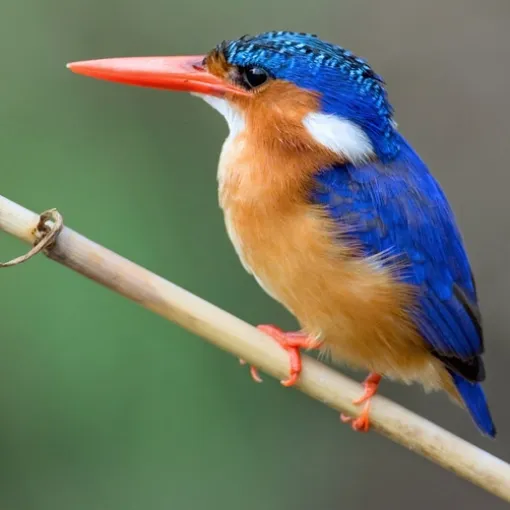
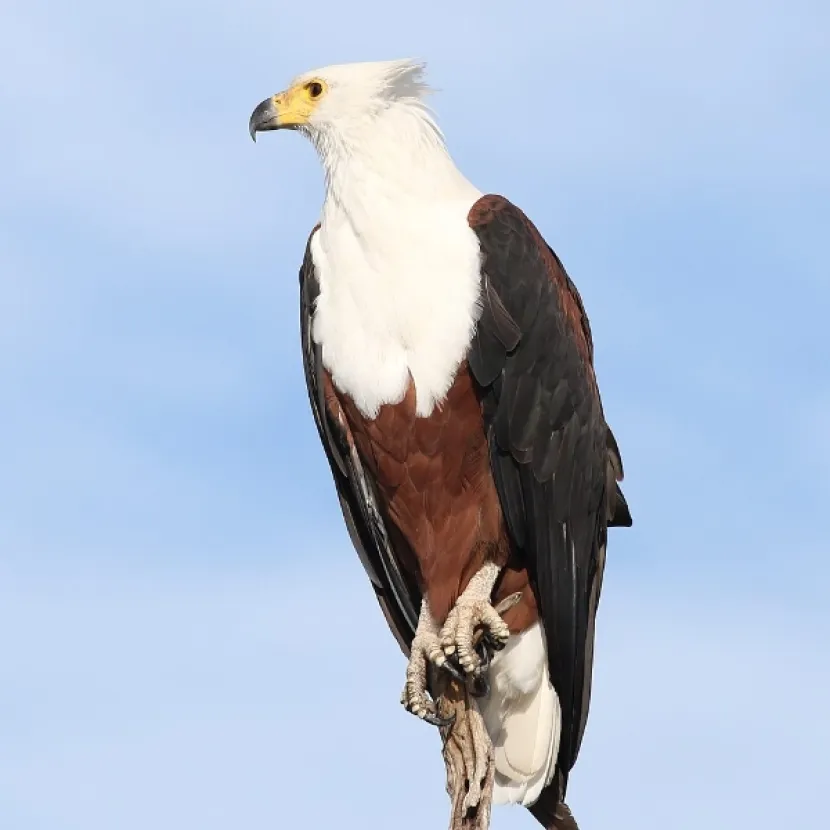
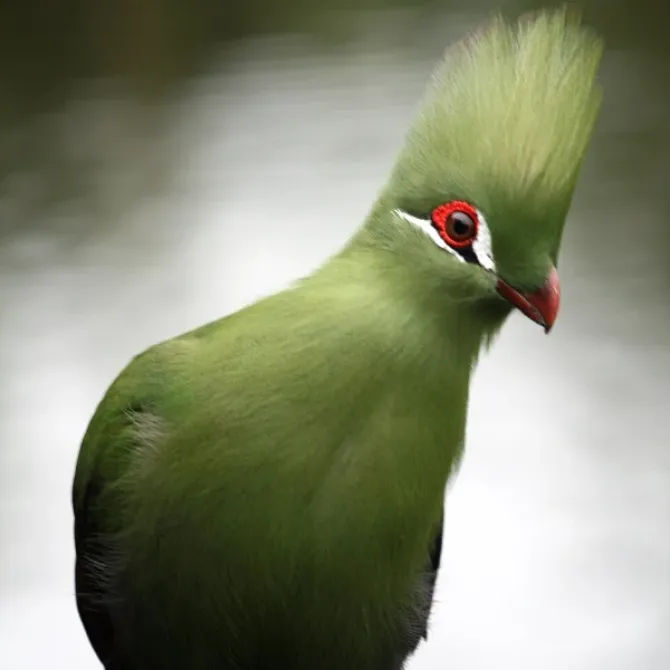
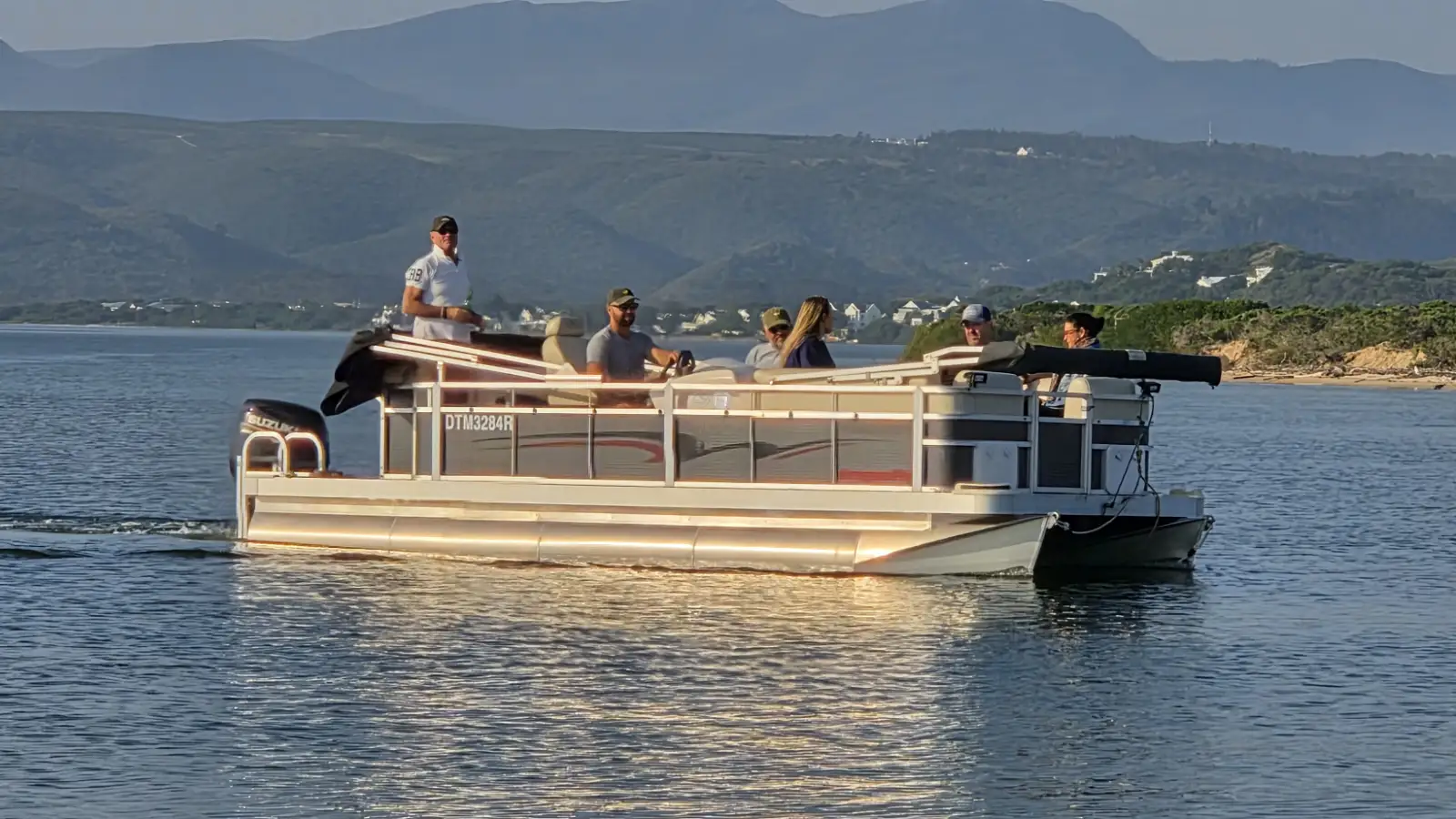
The engine cuts, and the river goes quiet — that’s when the Keurbooms shows you what it’s been hiding. A flash of crimson and green explodes from the forest canopy: a Knysna turaco, ducking low over the water before vanishing into yellowwood shadow. Overhead, an African fish eagle lets out its unmistakable cry, the sound of wild Africa itself, then folds its wings and drops toward the shallows for a strike. Around the next bend, a giant kingfisher hovers, stone-still, before spearing the surface. This stretch of water and forest holds over 300 recorded bird species — Narina trogons calling from deep bush, African finfoot slipping along the reed line, flamingos wading pink against the mudflats, oystercatchers patrolling the river mouth. You don’t need binoculars from a hide or a dawn slog through undergrowth. You need a quiet boat, a rising tide, and a guide who knows exactly which bend hides which bird. This is birding the way it should feel — unhurried, intimate, and alive. Come aboard and let the Keurbooms introduce you to South Africa’s most spectacular birdlife, one silent, breath-held moment at a time. Cameras ready. The forest is watching back.
Shadows Beneath the Surface
Lean over the gunwale and look down — the Keurbooms Estuary is hiding a secret most visitors to Plettenberg Bay never see. Glide over sandy shallows and you may catch the unmistakable wingbeat of a common eagle ray, gliding through water so clear you can count its spots — this estuary is a nursery for the species, one of the last strongholds for a critically endangered animal, and most you’ll see are still juveniles finding their fins. In summer, common smooth hound sharks gather here in aggregations, cruising the channels alongside the broad, unmistakable silhouette of duckbill rays. Below them, schools of leervis and spotted grunter work the sandbanks, while daisy-chains of mullet flicker silver in the current and kob hold deep in the darker pools. This isn’t an aquarium — it’s a living nursery, one of the few places on Earth where you can watch endangered elasmobranchs going about their lives undisturbed, from the comfort of a boat gliding silently above them. Your guide reads the water like a page, calling out shapes before your eyes adjust. Few people know this world exists beneath Plett’s calm surface. Come find out what’s really moving beneath the Keurbooms.
Where the Forest Meets the Tide
Some places don’t just show you nature — they let you disappear into it. As the boat slips upriver on the Keurbooms, the banks close in and the ancient Afromontane forest takes over: towering Outeniqua yellowwoods, stinkwoods, and ironwoods lean out over water-stained tea-dark by tannins, their roots tangled with reed beds and the flowering keurboom trees the river takes its name from. A Cape clawless otter surfaces mid-channel, watches you for a heartbeat, and is gone. Vervet monkeys chatter and swing through the canopy above, while somewhere deeper in the green, a bushbuck freezes at the sound of the engine. This is one of the last intact stretches of indigenous forest meeting open water anywhere on the Garden Route — a corridor where ancient trees and quiet river collide, mile after wild mile. Your guide will point out the plants that heal, the trees older than the colony itself, and the quiet dramas playing out on every bank. It’s not a wildlife documentary. It’s real, it’s close, and it’s happening right now. Step aboard and let the Keurbooms show you why this valley has stayed wild for so long.
Your Guide: Matt Fermor
Matt Fermor’s relationship with the natural world began in childhood. Born and raised on a private nature reserve viz Hog Hollow Country Lodge , in the heart of the Tsitsikamma forest, he grew up immersed in the rhythms of the wild long before he could put a name to them — a childhood that planted the roots of a lifelong calling.
That calling led him, as a young man, into the field as a guide in a Big Five reserve in the Eastern Cape, where daily encounters with the region’s wildlife and wilderness sharpened both his knowledge and his resolve: this was the work he wanted to dedicate his life to. That conviction led him to Stellenbosch University, where he completed an Honours degree in Conservation and Ecology, building a formal foundation beneath a childhood and career already steeped in practical experience.
With that grounding, Matt returned to the coast, joining a marine research and conservation organisation in his hometown of Plettenberg Bay — trading the bush for the shoreline, and broadening a perspective that already spanned land and sea. It is this full arc, from forest to veld to ocean, that continues to define his approach to conservation today: an understanding that ecosystems, though distinct, are deeply interconnected, and that safeguarding one means understanding them all.
Matt’s curiosity extends from mountains to shoreline and everything in between. An avid birder, hiker, tracker and photographer, he is happiest outdoors and brings that same depth of field experience to his belief that research, education, and innovative thinking are what will ultimately safeguard our natural heritage for generations to come.
Matt is excited to be joining the Hog Hollow team, and looks forward to furthering the lodge’s, and the wider area’s research, conservation and education efforts in the years ahead.